1. Where and when were you born?
I was born in Eaton, Georgia on February 9, 1944.
2. Does being born in this era affect your literature?
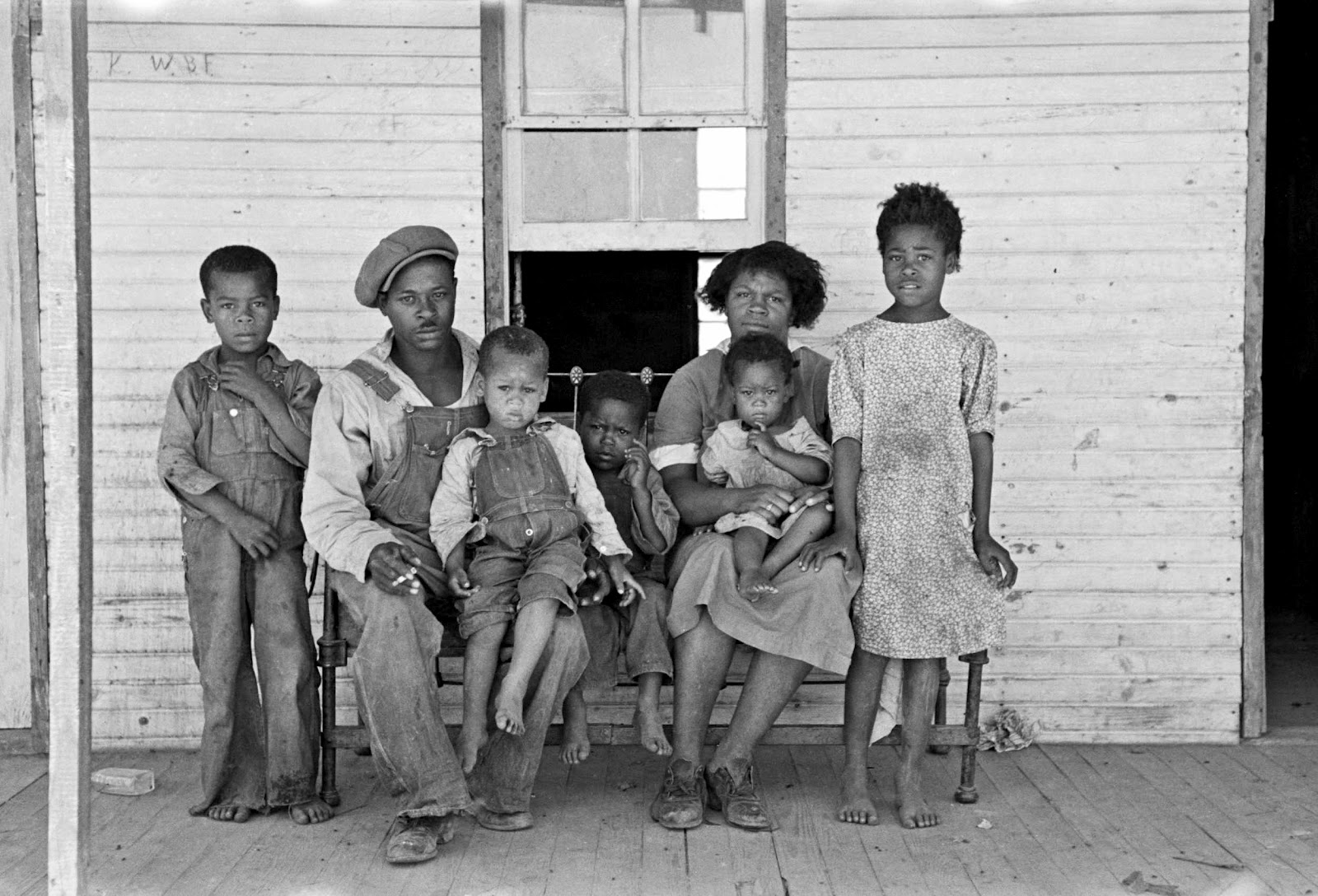
Being born in this era influenced my writing tremendously. I am the youngest of eight children, being born to poor sharecroppers. My mother worked as a maid for extra financial support. Because of my experiences in my childhood, I was able to use personal knowledge to give my literature more realisticality.
3. How does being born in this era affect your novels?
Most of my literature is based during time periods of racial tension and inequality. Living through these experiences allowed me to fully disclose every aspect of these situations. My most famous character, Celie, is oppressed by everyone in this novel, which is a majority of what i saw growing up.
4. What is this first novel you ever published?
My first book was The Third Life of Grange Copeland, which is highly related to the theme of oppression and its effects. I published this novel in 1970.
5. Why did you choose to write The Color Purple?
I chose to write this novel to bring to light the injustices of women of color by everyone, including other people of color.
6. Did attending Spelman and other universities influence your literature?
Once I moved away to attend college I was opened up to many new opportunities, that i missed out on because of racial segregation. Growing up, blacks were not allowed to use the public library, so attending college was opportunity for me to take advantage of the resources and receive a high education. Furthering my education and travelling to university introduced me to new things that I wouldn’t have experienced in Eatonon.
7. Do you feel that literature helps inspire empathy and compassion?
I definitely do, if literature did not inspire empathy and compassion it would be useless. Without many talented authors, world would not be open to people stuck in their own. Reading somebody else’s story allows a person to step into another’s shoes, and if that isn’t empathy then I don’t know what empathy is.
8. Did the use of libraries and other literary work inspire you?
After going away to college I was able to utilize public libraries and other resources. Because of the financial support I provide for some libraries, I didn’t feel welcome as much as obligated. Being able to use libraries, inspired me to ensure that all children would be able to utilize public libraries.
9. Why is nature so important to you?
Nature is important to me, because i believe every natural thing has a connection. As a child, my family relied heavily on livestock and its contributions. Our relationship with our farm animals was deep and meaningful, because our way of life depended on them and vice versa. I try to convey a theme of nature and its beauty in all of my novels and poems.
10. Did travelling to Africa affect your writing?
Travelling to Africa and living there inspired many parts of my novels. I used the environment I was around to better detail my stories. In my novel “The Color Purple,” my characters live in Africa, and the story wouldn’t have been the same without my personal experiences.
11. Did travelling to Mexico influence your writing?
When I travelled to Mexico and other hispanic countries, I was immersed in a brand new culture. “By the Light of My Father’s Smile” is based in Mexico which wouldn’t have been as real if I haven’t experienced it for myself.
12. How did the childhood accident affect your writing?
After being shot in the eye with a bb gun, I became rather insecure because of my blindness. Because of my lack of confidence, I found solace in being alone which led to my reading and writing poetry.
13. When did you first realized you wanted to be a writer?
I served as a writer-in residence and as a teacher in the Black Studies program at Jackson College in Tennessee. While teaching I began to write my first novel, and from there on published my work.I realized i wanted to write, once i saw how well accepted The Color Purple was.
14. How do feel about the oppression of Mexico and its people?
I believe that Americans have grown to believe that Mexico is only a place for trafficking and illegal aliens. Because, i have travelled to Mexico,i have experienced the culture and beauty of the people. It’s sad that small minded americans will miss out on rare culrute interaction and diversity.
15. Being that spiritual growth is a big part of your life, would you say that writing is a sort of tradition?
Writing my novel and poems, i would say, is a spiritual practice. I believe that everything that i am supposed to write is already in my head and all i have to do is write it down. Writing allows for more growth spiritually, emotionally, and intellectually.

 Alice's Life